
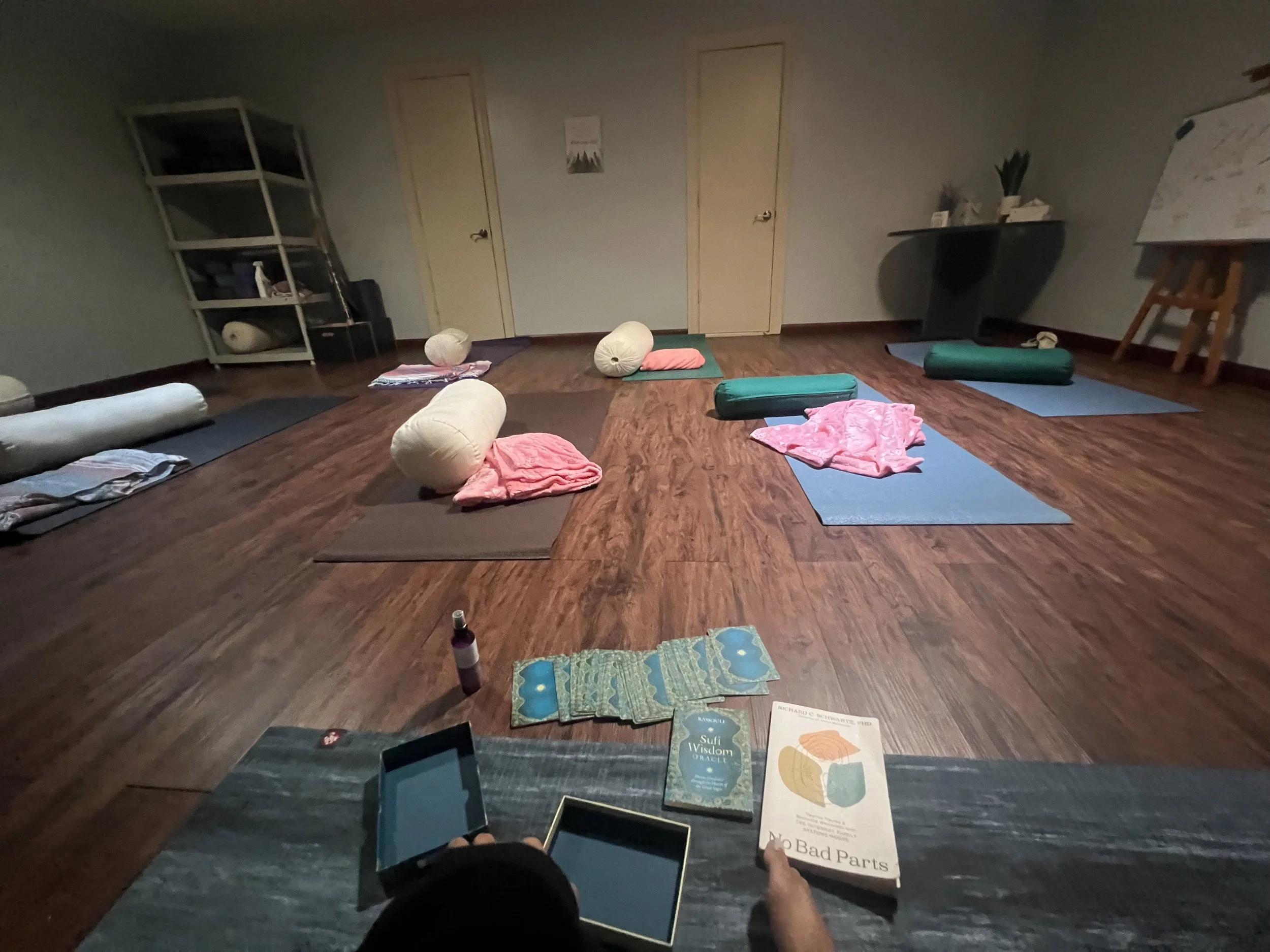
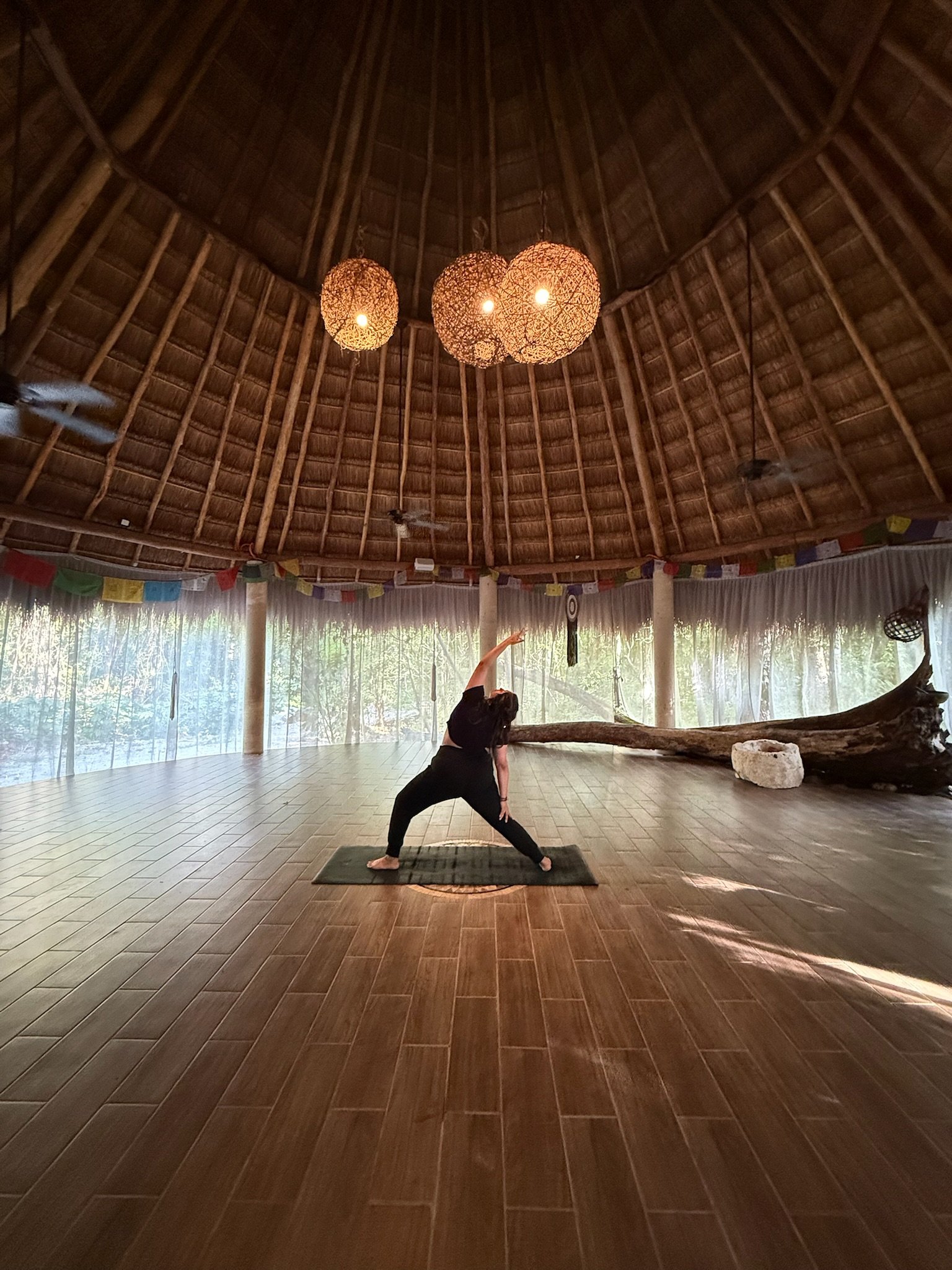
Trauma Informed Yin Yoga
Slow down. Release deeply. Restore fully.
Our Yin Yoga offerings provide a calm, grounding practice designed to support deep physical release, emotional balance, and nervous system regulation. Yin Yoga invites you to slow down, tune inward, and create space for healing - both in body and mind.
What Is Yin Yoga?
Yin Yoga is slow-paced, meditative style yoga where postures are held for extended periods — typically 2 to 5 minutes or longer. Unlike more active forms of yoga, Yin targets deep connective tissues while also calming the nervous system.
This gentle yet powerful practice encourages stillness, mindfulness, and deep release, making it an ideal complement to mental health therapy and trauma-informed care. We offer either Private 1:1 or Small group sessions customized and tailored for your needs.
Frequently Asked Questions
-
Yin Yoga offers a powerful counterbalance to the fast-paced, high-stress nature of daily life. Why many forms of movement focus on strength, endurance, and activity, Yin Yoga emphasizes stillness, softness, and deep release.
By slowing down, Yin Yoga helps regulate the nervous system, reduce chronic stress, and create space for emotional processing and healing. This makes it especially supportive for individuals experiencing anxiety, burnout, emotional overwhelm, trauma, or chronic tension.
At Evolve Therapy, we view Yin Yoga as both a physical and emotional healing practice — one that supports deep restoration, mindfulness, and self-awareness.
-
Yin Yoga works by gently targeting the deep connective tissues of the body, including fascia, ligaments, joints, and tendons. Postures are held for longer periods — between 2 and 5 minutes — allowing the body time to soften and release naturally.
This slow, sustained approach":
Increases joint mobility and flexibility
Improves circulation
Reduces muscular tension
Stimulates the parasympathetic (“rest and digest”) nervous system
Encourages mindfulness and emotional regulation
The extended stillness also creates an opportunity for introspection, helping individuals develop greater awareness of physical sensations, emotions, and thought patterns.
-
In a 60-minute Yin Yoga session, you can expect a slow, intentional practice designed to help your body and nervous system soften.
We’ll begin with gentle breathwork to help you settle and arrive in the space. From there, we’ll move into long-held, supported yin poses that target the deeper connective tissues of the body. The shapes are accessible and adaptable — everything is customized and tailored to the theme of the group and the needs in the room.
Throughout the practice, there will be moments of guided meditation and quiet reflection to support emotional release, regulation, and integration.
This is not a fast or performance-based class — it’s a space to slow down, tune in, and allow your body to unwind at its own pace.
-
Yin Yoga supports a wide range of physical, emotional, and mental health needs, including:
Stress reduction
Anxiety management
Emotional regulation
Trauma recovery
Burnout prevention
Improved sleep
Increased flexibility and joint mobility
Chronic pain management
Mindfulness and meditation practice
Yin Yoga is also highly beneficial for individuals seeking personal growth, emotional balance, and deeper self-awareness, even in the absence of specific concerns.
-
If you’re interested in learning more about Yin Yoga, our instructors at Evolve Therapy are happy to answer your questions and provide personalized recommendations.
For scheduling, class information, private sessions, please contact us and book a consultation!
-
Yin Yoga emerged in the late 1980s through the work of teacher Paul Grilley, who became fascinated by the extraordinary flexibility of Paulie Zink, a martial arts champion and Taoist yoga master. After discovering Zink through a television presentation, Grilley began studying Taoist Yoga and experimenting with long-held, passive posture lasting five to ten minutes.
Although his early training did not produce immediate results, Grilley continued exploring how stillness and sustained holds could impact the body. When he later introduced passive stretching into his own teaching, he observed significant improvements in his students flexibility, joint mobility, and overall range of motion.
Drawing inspiration from both yoga philosophy and Buddhist principles, Grilley initially called this approach Yin Yang Yoga, reflecting the balance between stillness and movement. His student, Sarah Powers, later suggested the name Yin Yoga to better capture the essence of the practice and its focus on passive, meditative postures. The name resonated, and Yin Yoga as we know it today was created.
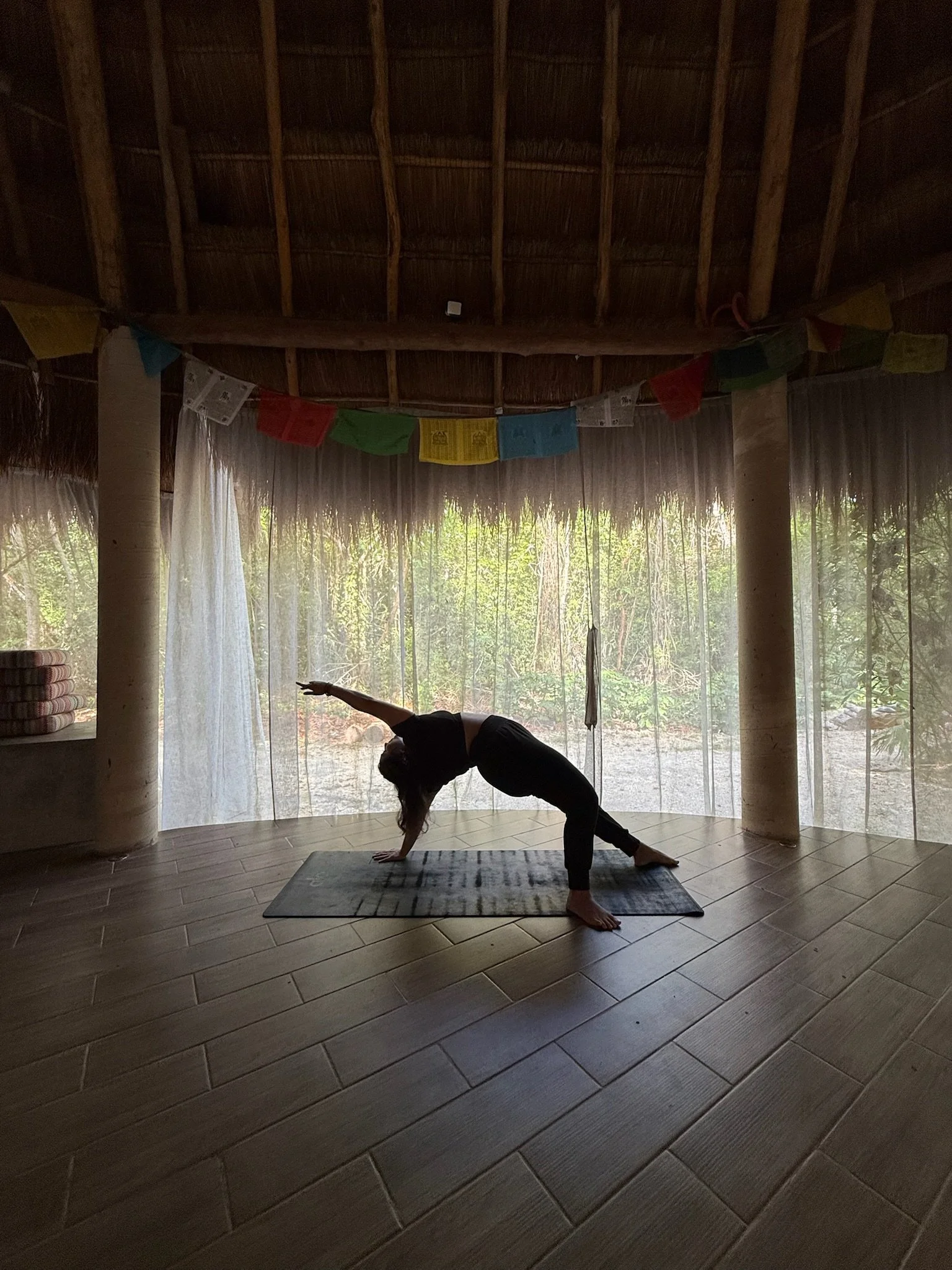
5 Archetypal Yin Yoga Poses
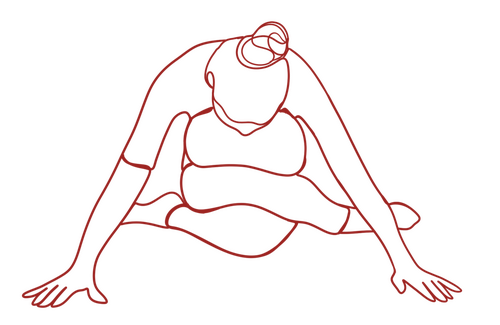
Shoelace
Targets: Hips, Outer tThighs, Glutes, Lower Spine
Benefits:
Improved hip flexibility
Reduced lower back tension
Emotional release
Nervous system calming
Contraindications:
Recent or chronic knee injuries
Hip replacement/significant hip pain
Sciatic nerve irritation
Modifications:
Place blocks/bolsters under the knees or hips for support
Keep the legs less stacked to reduce intensity
Extend the bottom leg forward for a gentler variation
Use blankets between the thighs to decrease compression
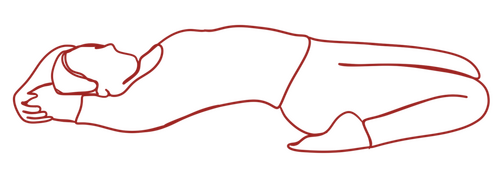
Saddle
Targets: Quads, Hip flexors, Knees, Lower Spine, Abdomen
Benefits:
Opens the front body and hip flexors
Improves posture and spinal flexors
Enhances breath capacity
Releases tension from prolonged sitting
Contraindications:
Knee injuries or chronic knee pain
Lower back compression issues
Recent hip/spinal surgery
Modifications:
Place bolsters/blocks behind the back for elevated support
Sit on a block between the heels to reduce knee strain
Keep the torso upright instead of reclining
Add bolsters under the thighs or calves for joint support
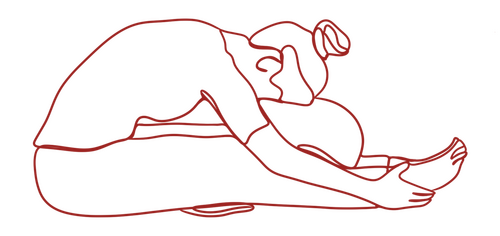
Seated Forward Fold
Targets: Spine, Hamstrings, Calves, Lower Back
Benefits:
Releases spinal tension
Improves flexibility in the posterior chain
Calms the nervous system
Encourages introspection & relaxation
Contraindications:
Acute disc injuries or herniation
Severe sciatica
Osteoporosis or spinal instability
Modifications:
Sit on a folded blanket or bolster to tilt the pelvis forward
Place a bolster under the torso for support
Bend the knees to reduce hamstring tension
Use blocks under the head or arms for comfort
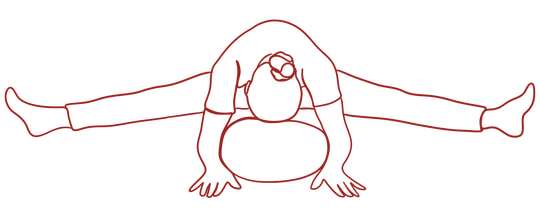
Straddle
Targets: Inner Thighs, Hips, Pelvis, Lower Spine
Benefits:
Increases hip mobility
Improves circulation in the pelvic region
Supports emotional release
Enhances spinal decompression
Contraindications:
Groin or hamstring injuries
Hip instability
Lower back disc issues
Modifications:
Sit on a bolster or folded blanket
Reduce the width of the legs
Support the torso with bolsters/blocks
Keep the spine upright instead of folding forward
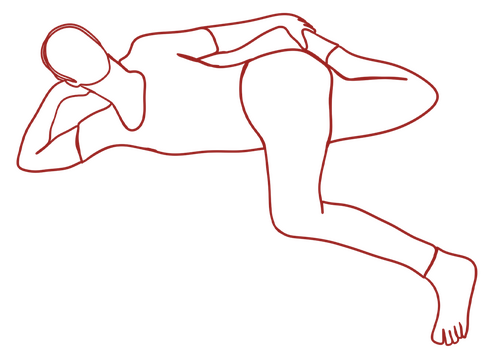
Twist
Targets: Spine, Shoulders, Upper Back, Abdominal Organs
Benefits:
Improves spinal mobility
Supports digestion and circulation
Releases tension in the back and torso
Promotes relaxation and nervous system regulation
Contraindications:
Recent spinal surgery
Acute disc injuries
Pregnancy (deep closed twists)
Modifications:
Use bolsters or blocks under the knees or torso
Keep twists gentle and supported
Reduce depth by untwisting slightly
Perform reclined twists for a more restorative experience