Internal Family Systems (IFS)
Understand your emotions. Heal your past. Reclaim your future.

Frequently Asked Questions
-
Internal Family Systems (IFS) is a compassionate, evidence-based therapy model that helps people heal from the inside out. Rather than solely on symptoms or diagnoses, IFS works by understanding the deeper emotional patterns and protective strategies that shape our thoughts, feelings, and behaviors.
IFS is effective because it:
Addresses root cause, not just surface symptoms
Builds deep self-compassion and emotional understanding
Supports lasting change rather than temporary coping strategies
Honors each person’s internal experience without judgment
This approach is especially powerful for individuals seeking meaningful emotional healing, trauma recovery, and greater self-awareness.
-
IFS views the mind as made up of different “parts”, each serving a protective or emotional role. These parts are not seen as problems, but as meaningful responses shaped by life experiences.
In therapy, you will gently explore your internal system to:
Identify different emotional parts
Understand their protective intentions
Heal wounded parts that carry emotional pain
Strengthen your connection to your calm, compassionate core self
Through this process, you develop healthier internal relationships, emotional balance, and clarity — leading to positive changes in daily life.
-
IFS therapy is collaborative, gentle, and deeply respectful.
Sessions move at your pace and prioritize emotional safety.
You can expect:
A supportive, nonjudgmental environment
Guided internal exploration
Increased emotional awareness
Greater self-compassion and self-understanding
Tools for emotional regulation and healing
Many clients experience a greater sense of calm, improved emotional resilience, and a deeper connection with themselves over time.
-
If you’re wondering whether IFS might be a good fit, give us a call at 214-308-1499 for a brief consultation. We’ll help you explore your options and answer any questions you may have.
For more in-depth information and the latest research on IFS, visit the https://ifs-institute.com
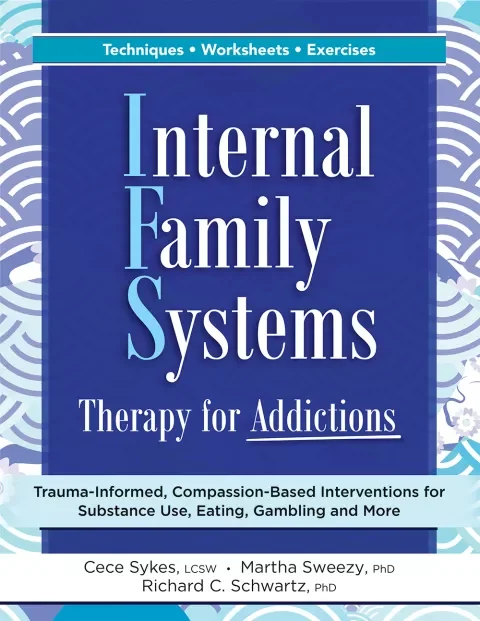
Trauma-informed, Compassion-Based Interventions for Substance Use, Eating, Gambling and More
Too often, addiction is seen as either a disease or an uncontrollable habit that reflects a lack of willpower. In Internal Family Systems (IFS) Therapy for Addictions, IFS educator Cece Skyes, IFS author Martha Sweezy, and IFS founder Richard Schwartz invite a meaningful shift in perspective. Rather than framing addiction as a pathology, they view it as the behavior of polarized parts attempting to manage deep emotional pain.
In this guide, therapists learn how to access their core, compassionate Self and work collaboratively with clients to befriend the protective parts involved in addictive behaviors, heal the vulnerable parts these protect, and restore balance within the internal system.
Inside, you’ll find:
Experiential exercises to help clients and therapists become familiar with their internal parts
Guidelines for conducting assessments in a collaborative, engaging manner
Practical strategies for resolving internal conflict and navigating polarization between opposing parts
Detailed case examples with step-by-step explanations
Downloadable worksheets, handouts, and guided meditations
Discover a compassionate new way to understand your inner world — and heal every part of who you are.
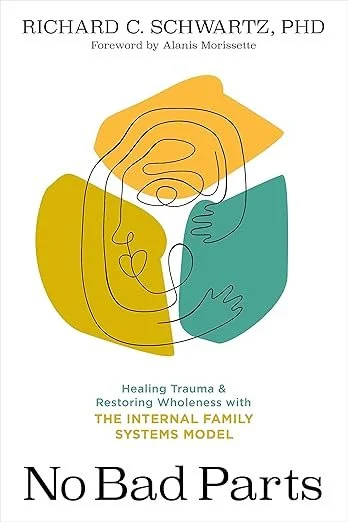
Are we made up of just one identity, or many? For generations, we’ve been taught to believe in a single sense of self and to feel shame or fear when conflicting inner thoughts and emotions arise. However, Dr. Richard Schwartz’s groundbreaking research challenges this traditional “mono-mind” view. He explains that we are all born with multiple inner parts that function together like an internal family — and that emotional well-being comes from learning to understand, respect, and care for each of these parts.
For decades, Internal Family Systems (IFS) therapy has transformed the field of psychology. In No Bad Parts, readers discover why IFS has proven so effective in areas such as trauma recovery, addiction treatment, and depression, and how this compassionate approach to understanding consciousness can profoundly change our lives.
In this book, you’ll explore:
How honoring and communicating with your parts transforms mental wellness
Why outdated cultural and scientific beliefs about a single identity limit emotional healing
How inner critics, saboteurs, and protective voices can become powerful allies
Why emotional burdens form in response to early life experiences and cultural conditioning
How IFS reveals that there are truly no bad parts
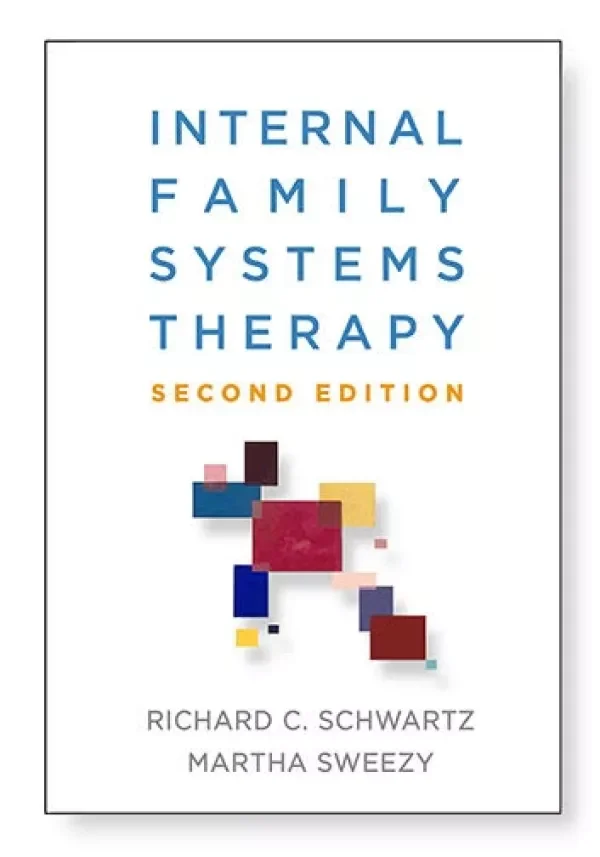
Now extensively updated with over 70% new content, this edition offers the definitive presentation of Internal Family Systems (IFS) therapy, a model practiced and taught worldwide. IFS explores how the sub personalities, or “parts”, within each individual interact like members of a family — and how, much like external families, polarization between these parts can contribute to emotional distress.
IFS founder Richard Schwartz and master clinician Martha Sweezy clearly explain the model’s foundational concepts and provide practical guidance for applying IFS in clinical work with clients experiencing trauma, anxiety, depression, eating disorders, addiction, and other behavioral challenges. They also outline effective strategies for working families and couples.
New to This Edition:
Thoroughly revised to reflect 25 years of theoretical development, expanded clinical techniques, and growing research base
Expanded chapters on the Self, the body and physical health, the therapist’s role, targeted clinical strategies, and couple therapy
Increased clinical usefulness, with added step-by-step guidance, case examples, and sample dialogues
Convenient quick-reference boxes highlighting key concepts, along with concise chapter summaries
Books About IFS